
AML Training for UAE Businesses
AML training your team can apply on the job.
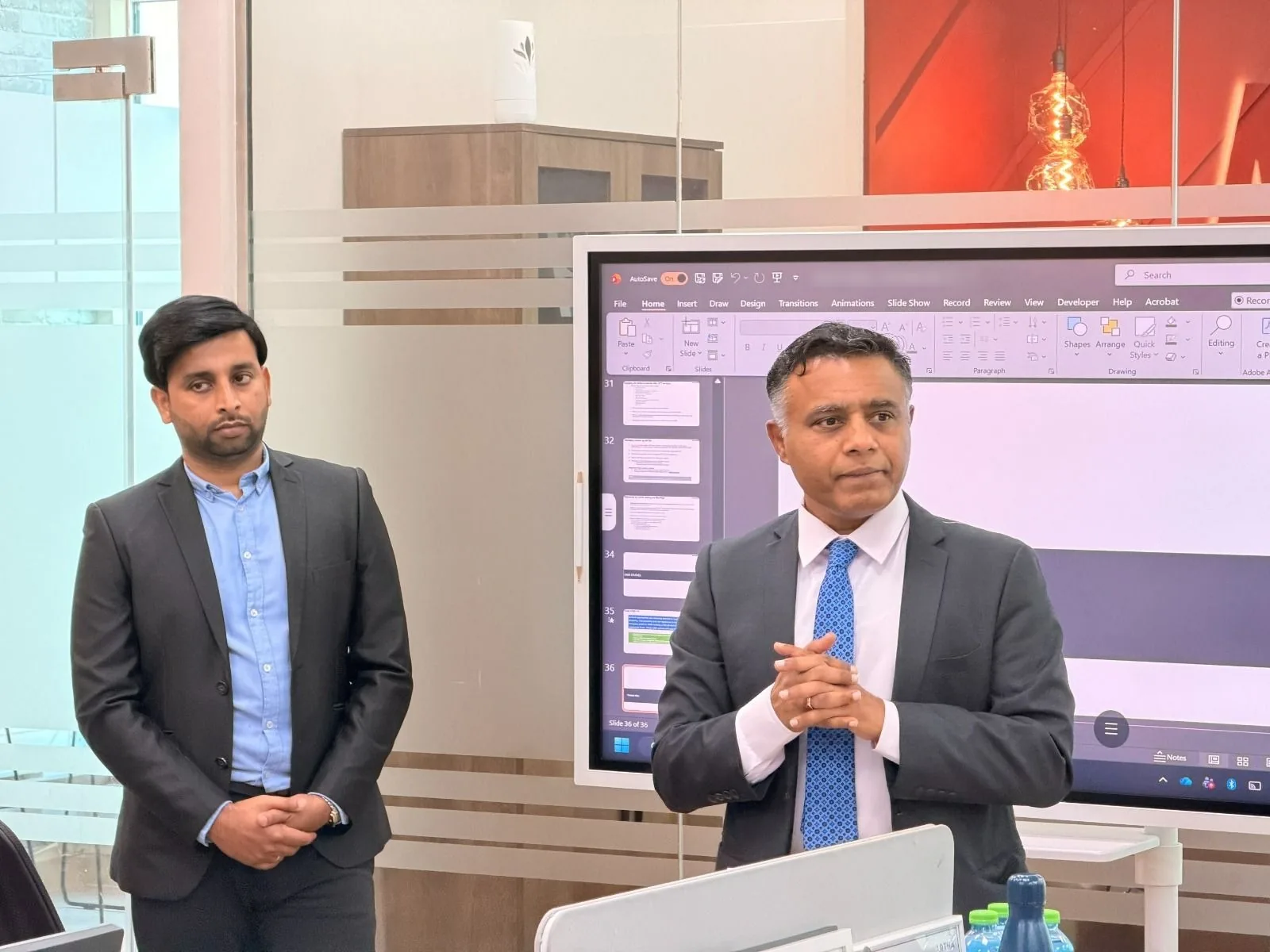
Adventant trains employees to recognise concerns in the work they handle. Training covers customer checks, warning signs and the steps for reporting concerns internally, using case studies and examples relevant to your business so people see how procedures apply to their roles.
Who it is for: Front-line and onboarding staff, new joiners and teams who need regular refresher training.
Who needs AML training?
Anyone whose work touches customers, transactions or records can notice a red flag, so training is usually expected for all relevant staff, with more depth for those in compliance, onboarding and senior roles. Training should be repeated regularly and recorded.
The compliance challenge
Generic, once-a-year slide decks rarely change behaviour. Staff need to recognise what a warning sign looks like in their own work and know exactly who to tell.
Regulators also look for evidence: who was trained, on what and when.
What the service includes
- Role-relevant AML and CFT training for different staff groups
- Red flags and warning signs relevant to your sector and customers
- Internal reporting routes and individual responsibilities
- Case studies and examples drawn from your business
- Customer due diligence, screening and escalation steps in practice
- Refresher sessions and onboarding training for new joiners
- Awareness updates for staff and senior management when rules or risks change
- Attendance and completion records kept for your file
Scope and boundaries
- Training supports, but does not replace, procedures, supervision and monitoring.
- Content is tailored to your activities and the requirements that apply to you.
- Where your regulator sets minimum training content or frequency, we align to it.
How the engagement works
- 01
Tailor the content
Shape the material around your activities, roles and customers.
- 02
Deliver the sessions
Run sessions using case studies and examples drawn from your business.
- 03
Check understanding
Test comprehension and answer questions on how procedures apply.
- 04
Record completion
Keep attendance and completion records for your compliance file.
- 05
Refresh regularly
Repeat and update training as staff, risks and requirements change.
Who needs this service
- Front-line and onboarding staff
- Compliance, finance and senior management
- New joiners and teams needing refreshers
- Businesses meeting training expectations set by their supervisor
Requirements depend on your supervisor and licence category. Start with the page for your regulator:
Regulatory context
Supervised businesses are generally expected to train relevant employees on AML and counter-terrorist-financing requirements, their internal procedures and how to report suspicion, and to keep records of that training.
Content and frequency expectations differ by supervisor, so we align training to the guidance for your licence category.
General information, not legal advice. Check current requirements with your supervisor.
Frequently asked questions
Is training a one-off?
No. Awareness obligations usually call for regular, role-relevant training with records kept, plus onboarding training for new joiners.
Can sessions be tailored to our business?
Yes. We use case studies and examples relevant to your activities so staff see how procedures apply to their roles.
How do you show that training was completed?
We keep attendance and completion records and can provide them for your compliance file or a regulatory review.
Do senior managers need training?
Yes. Senior management is responsible for oversight and benefits from training pitched at governance and accountability.
Other services

Outsourced MLRO Service
Experienced oversight where an external appointment is permitted.

Governance Support for Your MLRO
Support for the team you already have.

Operational Outsourcing
Screening, customer risk assessment and ongoing monitoring, handled for you.

Independent AML Audits / Reviews
Independent assurance over your controls.

Regulatory Inspection Support
Support before, during and after regulatory scrutiny.

goAML Registration and Reporting
goAML registration, EOCN subscription, report filing and semi-annual reports.

Grievance Filing (Fine Waiver)
A clear, evidenced grievance against an AML penalty.

Enterprise-Wide Risk Assessment
Understand where your real risk sits.

AML / CFT / CPF Framework
Policies and procedures reflecting your actual work.

AML Software (TruDiligent)
TruDiligent, set up around your compliance process.